Pantry Konbini incoming: How to Fake a Tokyo Corner Store in Your Suburban Kitchen
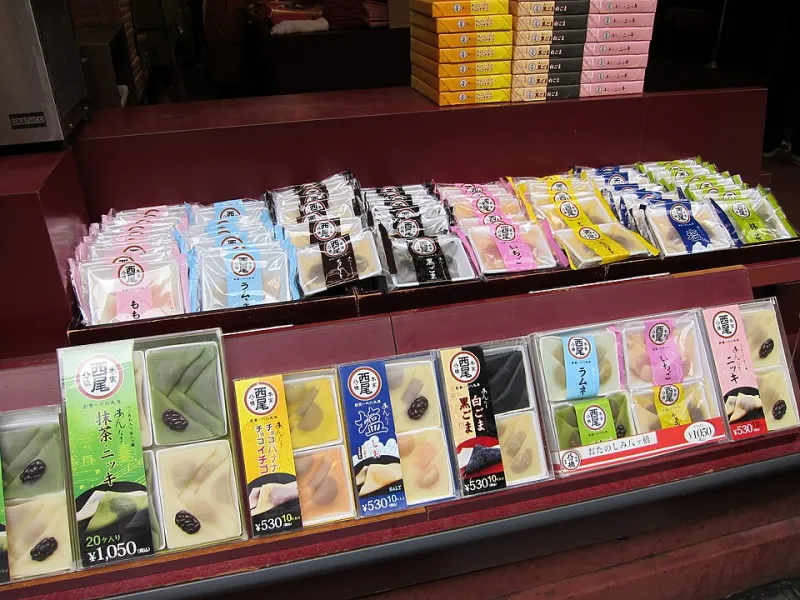
Photo: hslo, CC BY-SA 2.0, via Wikimedia Commons
There's a specific feeling you get when you push open the door of a Japanese convenience store: the soft chime, the hum of the drink cooler, the walls of snacks arranged with the precision of a NASA launch. Some of us chase that feeling for the rest of our lives. Others — the brave ones — decide to build it in their own kitchens, between the rice cooker and the cat's food bowl.
Welcome to the home konbini movement. It's real, it's growing, and it's about to rearrange your pantry.
Why Americans Are Building Miniature Convenience Stores Next to Their Toasters
Part of it is aesthetics — the konbini look is chef's kiss: tidy rows, bold packaging, that satisfying grid of colorful wrappers. Part of it is emotional. After a long day, walking into your kitchen and seeing a tiny glowing snack wall feels like a hug from a city you've never lived in.
And part of it is purely practical: when your snacks are displayed like merchandise, you actually stop losing the good stuff to the back-of-pantry void.
The Stateside Starter Kit
You don't need to fly anywhere. Between Asian grocery chains like H Mart and 99 Ranch, World Market, and the endless aisles of the internet, everything below is a car ride or a shipping notification away:
- The anchor snacks: Pocky, Hi-Chew, Umaibo (the giant puffy stick that costs less than a gum ball), and a bag of Calbee chips for that instantly recognizable red bag.
- The drink cooler moment: Ramune bottles (the marble ones — non-negotiable), canned coffee like Boss or UCC, and a green tea or two.
- The shelf-filler: Gyoza sauce packets, furikake shakers, and those tiny jellies in cups. They're cheap, photogenic, and make the shelf look stocked.
- The merch: One small onigiri-shaped plush or a fake food magnet. Every good konbini has a mascot. Yours should too.
Budget rule of thumb: $40–60 gets you a respectable starter wall. $100 gets you something your neighbors will ask about.
The Arrangement Is the Art
Here's where the konbini energy really kicks in. Japanese retail displays work because of densely organized repetition — identical items lined up in neat rows, front-facing, labels out. So:
- Group by brand, not by snack type. Three Pocky boxes side by side beats three random snacks stacked.
- Face everything forward. Turn those labels out like a shopkeeper who actually cares.
- Use risers. A cheap acrylic step riser (or, honestly, a shoebox wrapped in washi tape) creates that tiered shelf drama.
- Light it. A small stick-on LED bar under one shelf transforms the whole setup from 'pantry' to 'establishment.'
The Pocky Problem: Storage Hacks for Hot Climates
Nothing ruins the dream like a puddle of chocolate. Chocolate-coated everything melts above roughly 75°F, so if you live anywhere south of, say, Chicago in July:
- Keep chocolate items in an airtight container with a silica gel packet, in the coolest cabinet you have.
- Hard candy, ramune, and canned drinks can stay on display — they're your heat-proof 'showroom' stock.
- Rotate: display one box, store the backups. This is called inventory management and it makes you feel extremely professional.
Confessions From the Home Konbini Faithful
Mika, a 29-year-old nurse in Austin, started her display during a stress-shopping spiral and now rebuilds it every season. 'The fall refresh with the chestnut KitKats is my Super Bowl,' she told me, completely seriously.
Meanwhile, Dev from Ohio has a rule: nothing gets eaten until there's a replacement on the shelf. 'It's a store, not a buffet,' he says. His wife disagrees. Loudly. The marriage survives because the display is, objectively, gorgeous.
The Only Rule That Matters
A home konbini isn't about hoarding — it's about curation. Buy what you love, display it like it's precious, and eat it when the moment's right. The chime at the door? That's you, making a little 'ding' with your mouth. We all do it. Nobody has to know.