Going Solo and Loving It: How Japan's 'Hitoribocchi' Vibe Is Quietly Curing American FOMO
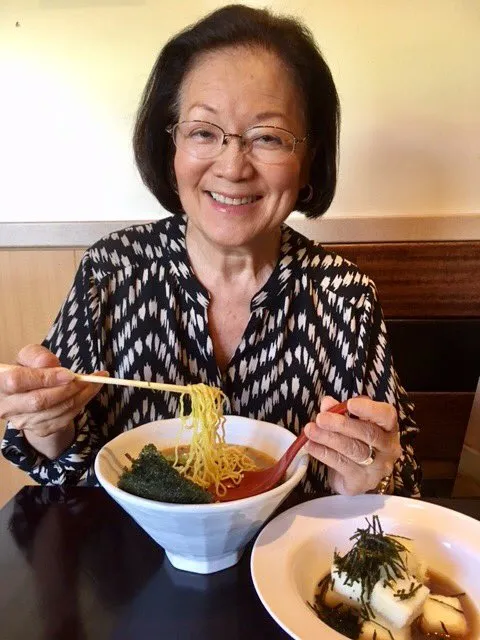
Photo: United States Senate - The Office of Mazie Hirono, Public domain, via Wikimedia Commons
Picture this: it's a Friday night, you're sitting at a sleek wooden counter in a dimly lit ramen shop, a steaming bowl of tonkotsu in front of you, a tiny privacy screen on either side, and absolutely zero obligation to make small talk. No one is stealing your fries. No one is asking if you've seen that Netflix show. It's just you, your noodles, and the kind of profound inner peace that no group dinner has ever, not once, delivered.
Welcome to the world of hitoribocchi — and surprise, it's not as sad as it sounds.
What Even Is Hitoribocchi?
In Japanese, hitoribocchi (一人ぼっち) loosely translates to "being alone" or "solitary," and for decades it carried a slightly melancholy connotation — the image of the kid eating lunch by themselves, or the salaryman drinking alone at a standing bar at 11 p.m. on a Tuesday. Not exactly aspirational branding.
But something shifted. Japan, ever the pioneer of turning a perceived social problem into a deeply elegant lifestyle solution, began building entire industries around the solo experience. One-person hot pot restaurants (hitori shabu-shabu joints) started popping up in Tokyo. Karaoke chains introduced single-occupancy booths where you can belt out your entire Mariah Carey repertoire without a single judgmental glance from a friend. Solo camping — sotolo, a portmanteau of solo and the Japanese word for outdoor activities — became a legitimate aesthetic movement.
The vibe shifted from "lonely" to "intentionally, luxuriously alone." And Americans, exhausted by the relentless performance of social abundance, took notice.
FOMO Is Tired. JOMO Is Having a Moment.
For the better part of the 2010s, American social culture was held hostage by FOMO — the Fear Of Missing Out. Instagram feeds were a highlight reel of crowded rooftop bars, destination bachelorette parties, and friend groups so photogenic they looked like a stock photo search result for "millennials having fun." Opting out felt like a character flaw.
Then, somewhere around the collective emotional reckoning of 2020 (you know the one), a lot of Americans discovered something quietly revolutionary: being alone is actually kind of incredible?
Enter JOMO — the Joy Of Missing Out — and its spiritual big sister, the Japanese solo lifestyle philosophy. Gen Z, in particular, has been leading the charge. According to a 2023 Gallup survey, younger Americans report higher comfort with solitary activities than any previous generation tracked, and social media communities dedicated to "solo dining," "solo travel," and even "solo movie nights" have exploded across TikTok and Reddit.
Cultural observers have noted that Japan's infrastructure for dignified solitude — the physical design of solo-friendly spaces, the social permission to simply be somewhere alone without performing enjoyment for an audience — offers a genuinely useful blueprint.
The Architecture of Aloneness
What makes Japan's approach so distinctive isn't just attitude — it's design. Japanese solo culture is baked into the physical environment in ways that feel almost radical by American standards.
Consider the ichiran ramen model: individual booths, a small wooden hatch through which your order arrives, and a curtain that signals whether you want interaction or not. It's an entire restaurant engineered around the premise that eating alone deserves the same dignity and pleasure as any other dining experience. No pity glances from waitstaff. No awkward "just one?" with a slightly tragic inflection.
Or solo karaoke — hitori karaoke — where chains like Hitokaraoke have built entire business models around the single-occupancy booth. Americans who've experienced it (and there's a surprisingly vocal community of them on Reddit's r/japanlife and r/solotravel) describe it as genuinely transformative. "I sang the entire Wicked soundtrack twice and cried during 'Defying Gravity,'" one user posted. "Best night of my life and I told no one." Iconic, honestly.
American Fans Living the Alone-Together Life
In cities like New York, Los Angeles, and Chicago, small but growing communities of Japanese pop culture enthusiasts are actively importing the hitoribocchi aesthetic into their daily routines. Solo dining nights. Intentional "no-plans" weekends styled after the Japanese concept of ma — the meaningful pause, the deliberate empty space.
Amanda, a 26-year-old graphic designer in Brooklyn, describes her weekly solo ramen outing as "basically therapy, but cheaper and the broth is better." She discovered the concept through Japanese lifestyle content on YouTube and hasn't looked back. "There's something about the Japanese framework that gives you permission," she says. "Like, culturally, it's not weird there. It's just a thing people do. And once you have that permission, you realize how much you actually needed it."
That permission aspect is key. American social culture has historically pathologized aloneness in ways that Japanese culture — at least in its solo-friendly commercial spaces — actively counters. When a society builds a restaurant specifically for one person, it's making a statement: your solo presence is valid, welcome, and worth designing around.
The Gentle Irony of 'Alone Together'
Here's the delightful paradox at the heart of all this: the hitoribocchi movement, particularly as it's been adopted by American fans, is weirdly communal. The TikTok hashtag #SoloDining has hundreds of millions of views. There are Discord servers dedicated to coordinating solo outings — people who go to the same coffee shop at the same time, alone, but together in spirit. It's a community built around the shared appreciation of not needing a community to have a good time.
Japan, as it so often does, found a way to make the solitary experience feel warm rather than cold, intentional rather than resigned. And Americans, increasingly allergic to the performative exhaustion of constant social availability, are finding that framework not just appealing, but genuinely healing.
So next time someone asks what you're doing this weekend and you say "nothing, just me," try saying it the way a hitoribocchi convert would: with a small, satisfied smile, the quiet confidence of someone who has a really good bowl of ramen waiting for them, and absolutely no intention of sharing it.
That's not loneliness. That's a lifestyle.