Tiny Sushi Earrings and Golden Cracks: 7 Japanese Craft Trends American Etsy Sellers Can't Stop Making
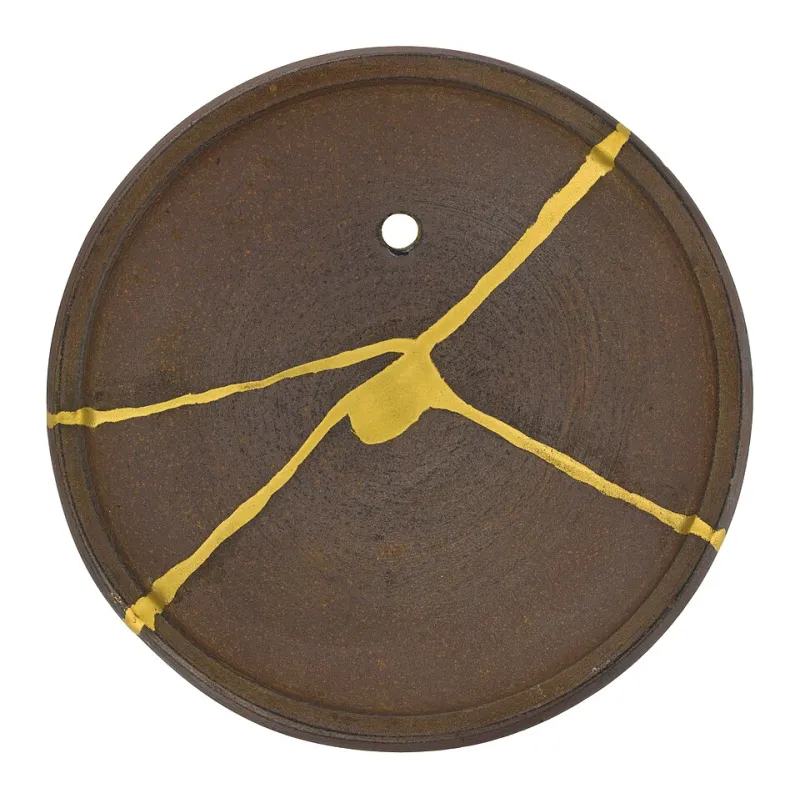
Photo: D-Kuru, CC BY-SA 4.0, via Wikimedia Commons
Scroll Etsy long enough and you'll notice something: American makers are getting very, very good at Japanese crafts. Not the watered-down versions — actual techniques with centuries of history, being twisted into things like kintsugi-repaired denim and keychains shaped like ramen bowls. Here are seven trends crossing the Pacific right now, and the stories behind them.
1. Kintsugi-Inspired Jewelry Repair
The origin: Kintsugi is the 400-plus-year-old art of repairing broken pottery with gold-dusted lacquer, treating the break as part of the object's history rather than a flaw.
The American twist: Makers are applying the philosophy to jewelry — repairing cracked stone pendants with gold epoxy veins, and even offering 'kintsugi your grandmother's broken brooch' commissions. One Midwest seller told me she cries at roughly half the repair orders. 'People send me grief in a box,' she said.
Where to learn it: Real kintsugi uses urushi lacquer, which takes weeks to cure. Beginners can start with modern gold mending kits before graduating to workshops offered by Japanese cultural centers in cities like LA and New York.
2. Miniature Clay Food Charms
The origin: Japan's shokuhin sampuru (fake food) tradition began in the 1920s as restaurant displays. Craft artists miniaturized it into polymer clay charms — sushi, pancakes, tiny bowls of ramen with individual broth droplets.
The American twist: US makers are turning them into earrings, stitch markers for knitters, and dollhouse-scale 'cursed foods' like a tiny slice of pizza wearing sunglasses. The good ones are absurdly detailed. The great ones are absurdly detailed and under $25.
Where to learn it: YouTube tutorials from Japanese clay artists, plus polymer clay starter kits. Warning: you will make 40 hideous croissants before your first good one.
3. Furoshiki Wrapping
The origin: Furoshiki are square cloths used in Japan to wrap and carry anything — gifts, bento, wine bottles — no paper, no tape, no waste.
The American twist: Eco-conscious sellers are pairing furoshiki cloths with gift kits, teaching wrapping at craft fairs, and sewing their own from vintage American bandana fabrics. Sustainable wrapping content is thriving on TikTok, and furoshiki is its undisputed star.
Where to learn it: The Japanese environment ministry literally publishes free furoshiki wrapping diagrams. The internet, occasionally, is wonderful.
4. Sashiko Visible Mending
The origin: Sashiko began as functional stitching — running stitches reinforcing workwear for farmers and fishermen. Geometric, indigo-and-white, built to last.
The American twist: The visible mending movement adopted it wholeheartedly. Etsy sellers now offer sashiko-mended jeans at prices that would make the original stitchers faint, and DIY kits are flying off shelves as Americans get tired of fast fashion falling apart.
Where to learn it: Sashiko starter kits with pre-printed patterns are widely available; online classes from Japanese textile artists teach the traditional rhythms.
5. Temari Ball Ornaments
The origin: Temari are embroidered thread balls, originally made from recycled kimono fabric as children's toys, now a highly formalized folk craft with certified masters.
The American twist: Makers are scaling them up as holiday ornaments in non-traditional palettes — Halloween temari, galaxy temari, one memorable listing of a temari in Philadelphia Eagles colors. Tradition, meet tailgate.
Where to learn it: The Japan Temari Association resources, plus beginner kits with pre-wrapped bases.
6. Kokedama (Moss Ball) Planters
The origin: Kokedama wraps a plant's roots in moss and soil, creating a sculptural hanging ball — essentially bonsai's weirder, rounder cousin.
The American twist: Apartment-dwellers with zero shelf space love them, and sellers now offer kokedama in everything from pothos to, in one bold case, fake succulents for the committed plant-killer.
Where to learn it: Botanical gardens across the US run kokedama workshops; the supplies are basically soil, moss, and string.
7. Oshibori-Style Towel Folding... as Gifts
The origin: The folded towel presented at Japanese restaurants has spawned an entire gift culture — towels rolled and folded into roses, cakes, and animals.
The American twist: Wedding favor makers have gone all in. Guests at American weddings are increasingly leaving with a towel rose instead of a jar of honey, and honestly? It's an upgrade.
Where to learn it: Surprisingly, YouTube — search 'towel cake folding' and fall down the rabbit hole.
Why It's Working
Every one of these crafts shares a philosophy: repair instead of replace, wrap instead of waste, make small things with enormous care. American shoppers aren't just buying the objects — they're buying that worldview, one golden crack at a time.