Neon, Snacks, and Cozy Chaos: Why Gen Z Is Turning Their Bedrooms Into Japanese Convenience Stores
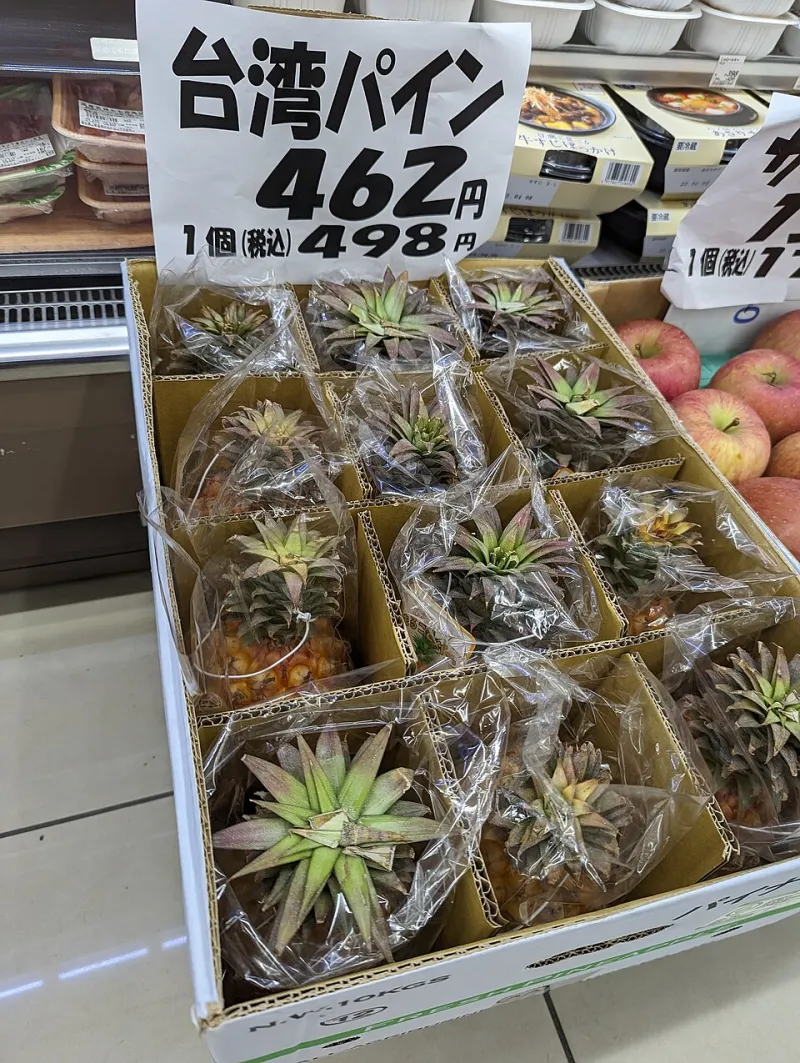
Photo: Syced, CC0, via Wikimedia Commons
Let's paint a picture. It's 2 a.m. somewhere in suburban Ohio. A seventeen-year-old is rearranging a shelf of Pocky boxes by color, adjusting a warm-toned LED strip behind a row of imported ramune bottles, and genuinely considering whether the placement of their mini fridge is aesthetically optimal. This is not a cry for help. This is konbini-core — and it might be the most quietly brilliant bedroom trend since the fairy-light era of 2016.
For the uninitiated: konbini is the Japanese shorthand for convenience store, and if you've never set foot inside a Japanese 7-Eleven or FamilyMart, buckle up, because your entire understanding of what a gas station snack run could be is about to be shattered. These aren't the buzzing, flickering-fluorescent-nightmare fuel stops of American highway mythology. Japanese convenience stores are warm. They're organized. They have freshly made onigiri and entire dessert cases and a particular brand of late-night sanctuary energy that makes you feel, inexplicably, like everything is going to be okay.
And now, American Gen Z wants that feeling in their bedrooms.
The Psychology of the Warm Neon Glow
There's a reason the konbini aesthetic hits different at midnight. Japanese convenience stores operate on a very specific sensory formula: cool-toned product lighting layered under warm ambient ceiling light, pastel signage that somehow never feels garish, and an almost meditative level of organizational precision. Walk in at 3 a.m. during a Tokyo drizzle and the whole place feels like a hug designed by a very competent robot.
American bedrooms, historically, have been either a) a chaotic pile of personality with zero structural coherence, or b) the Pinterest-approved minimalist nightmare where you're not allowed to own more than two decorative objects. Gen Z, bless them, has rejected both extremes. What they want is ordered whimsy — spaces that feel curated but not sterile, cozy but not cluttered, personal but weirdly cinematic.
Konbini delivers all of that on a silver (or, more accurately, pastel-mint) platter.
The Snack Shelf Is Load-Bearing (Emotionally)
Ask any committed konbini-core practitioner what the centerpiece of the aesthetic is, and they'll point — without hesitation — to the snack display. Not a candy bowl. Not a sad pile of granola bars. A display. Think: tiered shelves or acrylic risers holding Japanese and Japanese-inspired snacks arranged by height, color, and vibe. Meiji chocolate boxes next to Yan Yan dippers. A row of Hi-Chew in gradient order. Maybe some imported Calbee chips for structural integrity.
This isn't hoarding. This is curation. There's a difference, and it lives entirely in the lighting.
The LED situation is also non-negotiable. The konbini bedroom doesn't do harsh overheads. Instead, the lighting comes in layers: warm white strips along shelving undersides, possibly a neon sign with something like a Japanese kanji or a retro ramen-shop-style logo, and maybe — if you're really committed — a small illuminated sign repurposed from an actual Japanese convenience store (yes, these exist on eBay; yes, they're expensive; yes, people buy them anyway).
Cozy Cyberpunk Is a Real Genre Now, Apparently
Somewhere between lo-fi hip hop playlists and vaporwave's neon-soaked nostalgia trip, a new micro-aesthetic quietly materialized: cozy cyberpunk. It's the visual language of a future that isn't dystopian — or at least, it's a dystopia where the snacks are excellent and the lighting is flattering. Japanese convenience stores have always lived in this space aesthetically: hypermodern infrastructure wrapped in warmth and accessibility. The konbini is, at its core, a very optimistic vision of late-stage capitalism. (Don't look too hard at that sentence.)
Gen Z, who has grown up doom-scrolling through actual dystopian news cycles, seems to be gravitating toward the cozy cyberpunk promise specifically because it's aspirational without being delusional. It's not a fantasy escape from modernity — it's modernity, but make it warm and give it a good onigiri selection.
TikTok and YouTube have turbocharged this. Search "konbini room" or "Japanese convenience store aesthetic bedroom" and you'll find hours of room tours, DIY shelf builds, lighting tutorials, and deeply satisfying snack-organization videos. The comment sections are basically support groups for people who have discovered that reorganizing imported candy by color is, in fact, therapeutic.
DIY or Die (Aesthetically)
The beautiful thing about konbini-core is that it's genuinely accessible. You don't need to import actual Japanese shelving units or spend a mortgage payment on a FamilyMart sign (though again — no judgment). The aesthetic is more about principles than products.
Here's the rough formula that's emerged from the community:
Lighting first, everything else second. Swap overhead bulbs for something warmer. Add strips under shelves. The vibe lives or dies on this step.
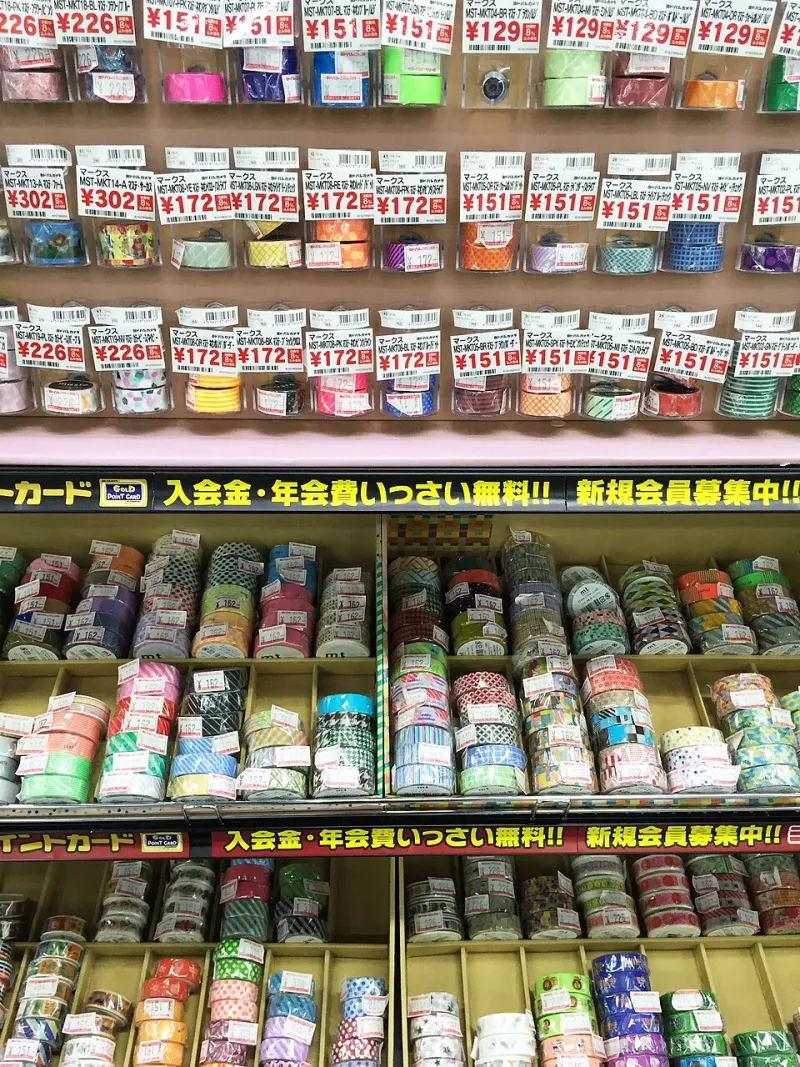
Organize something. Anything. A shelf of snacks, a row of drinks in a mini fridge with the door open for display purposes (controversial but iconic), a collection of stationery arranged by color. The konbini aesthetic is fundamentally about the pleasure of organized plenty.
Embrace the pastel signage. Handwritten price tags on little stands, small acrylic label holders, or printed signs with Japanese-style typography. You can find Canva templates for this. People have made entire TikTok followings out of this specific niche.
Let it be functional. This is key. The konbini isn't a museum — it's a place where things get used, restocked, and rearranged. Your bedroom should feel the same way. The aesthetic works because it's lived-in.
Why This Matters Beyond the Aesthetic
Here's the thing nobody's really saying out loud but Fura Coco will absolutely say: the konbini-core trend is partly about belonging to a larger cultural story. Japanese convenience stores carry a specific emotional weight for a generation that grew up consuming anime, J-pop, and Studio Ghibli films. The konbini appears in Spirited Away. It shows up in slice-of-life manga as a site of quiet comfort and late-night revelation. It's where characters go when they don't know what else to do.
Recreating that energy in a bedroom in Memphis or Minneapolis isn't just an aesthetic project — it's a form of cultural participation. A way of saying: I belong, at least a little, to this world I love.
And if it also means your snack shelf is impeccably organized and your lighting is finally flattering? That's just a bonus.
The konbini was always more than a store. Turns out, it's also a blueprint for how to make anywhere feel like home.