Grown Adults Buying Cinnamoroll Staplers Is Not a Crisis — It's a Movement
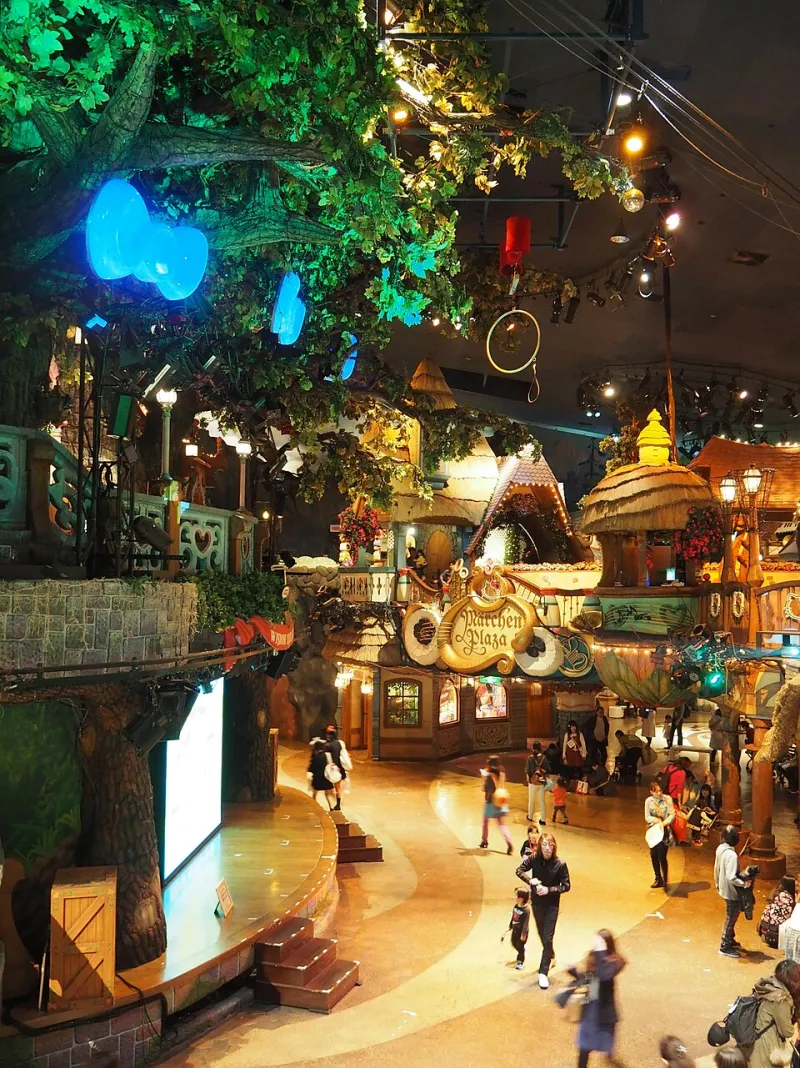
Photo: Laika ac from UK, CC BY-SA 2.0, via Wikimedia Commons
Let's set the scene. You're a functioning adult human with a mortgage, a complicated relationship with your email inbox, and strong opinions about oat milk. You also own four different Hello Kitty lip balms, a My Melody desk organizer, and a Pompompurin tote bag that you absolutely use unironically at Trader Joe's. Congratulations. You are not alone. You are, in fact, part of one of the most quietly powerful consumer movements in modern American retail.
Sanrio — the Japanese company behind Hello Kitty, Cinnamoroll, Kuromi, and approximately one hundred other characters that exist purely to make you feel feelings — has done something that most lifestyle brands spend decades trying and failing to pull off. It made cute not just acceptable for adults, but aspirational.
From Lunchboxes to Luxury-Adjacent: A Brief History of Hello Kitty Growing Up With Us
Hello Kitty debuted in Japan in 1974 on a coin purse, which is somehow both the most humble and most correct origin story imaginable. By the 1990s, she'd made her way into American kids' bedrooms, backpacks, and birthday cakes. Then the kids grew up. And here's the thing Sanrio apparently noticed before anyone else: they never really wanted to leave.
The brand's genius pivot wasn't a dramatic relaunch or some edgy adult rebrand. It was quieter than that. Sanrio simply started licensing its characters onto things adults actually need — skincare serums, credit card holders, mechanical pencils, cast iron pans (yes, really) — while keeping the aesthetic completely intact. No gritty dark reimagining. No "Hello Kitty but make it fashion" irony shield. Just Hello Kitty, on your eye cream, being sincere about it.
The result? A generation of consumers who aged out of childhood but never aged out of the characters they loved, now able to justify purchases as "functional" while also being emotionally nourished by a small cat with no mouth.
The Psychology of Cute-Coded Nostalgia (Or: Why Your Brain Is Extremely Susceptible to This)
Psychologists have a term for the emotional response triggered by cute stimuli: the Kindchenschema effect, first described by ethologist Konrad Lorenz. Big eyes, round faces, small features — the brain reads these as infant-like and responds with a flood of protective, warm feelings. Sanrio characters are essentially optimized adorableness delivery vehicles, engineered to short-circuit your cynicism before it even boots up.
Layer nostalgia on top of that and you've got something almost chemically potent. For millennials especially, Hello Kitty isn't just a character — she's a memory of Saturday morning cartoons, Lisa Frank folders, and a time before student loans. Buying a Hello Kitty sheet mask at Target isn't frivolous spending. It's time travel. It's $8 therapy. It's completely valid.
Gen Z, meanwhile, came to Sanrio characters through a different door — TikTok aesthetics, the pastel soft-life trend, and a genuine cultural rejection of the idea that adulthood means beige everything and hustle culture. Owning a Kuromi keyboard is a statement. It says: I refuse to be boring on purpose.
The Collectors Who Have Forty-Seven Versions of the Same Face (And Are Thriving)
Meet Dani, a 31-year-old graphic designer in Austin who has what she describes as "a healthy collection" of Cinnamoroll items — approximately 200 pieces at last count, including three different plushies of varying sizes, a Cinnamoroll air humidifier, and a set of sticky notes she has not been able to bring herself to actually use.
"People always ask if I'm going to grow out of it," she says, "and I think they've misunderstood what's happening. I'm not stuck in childhood. I've chosen this. There's a difference."
That distinction matters enormously to the adult Sanrio collector community, which is enormous, organized, and extremely online. Facebook groups, Reddit threads, Instagram accounts dedicated to "sanrio shelfies" — this is a subculture with its own vocabulary, its own hierarchy of rare finds, and its own spirited debates about whether the 2023 Kuromi collab with a fast-fashion brand was a betrayal of the aesthetic or a necessary evolution.
On resale platforms like Mercari and eBay, limited-edition Sanrio collaborations — particularly items from Japanese-exclusive releases — regularly sell for two to five times their retail price. A Sanrio x Lush bath bomb set. A Hello Kitty Shinkansen plush only available at certain Japanese train stations. A My Melody collab with a Korean skincare brand that sold out in eleven minutes. These aren't just products. They're trophies.
Skincare Is Where It Gets Really Interesting
The beauty industry's embrace of Sanrio characters deserves its own dissertation, honestly. In the last five years, Hello Kitty and her extended universe have appeared on collagen patches, vitamin C serums, jade rollers, blush compacts, nail polish sets, and at least three different brands of sunscreen. The collaborations span every price point, from $3 drugstore lip gloss to $60 limited-edition face oil.
What's remarkable is how seamlessly the cute aesthetic maps onto the existing visual language of skincare — the pastel colors, the soft packaging, the promise of gentle transformation. A Hello Kitty moisturizer doesn't feel incongruous. It feels like it was always supposed to exist.
Beauty creator and collector Maya T., who runs a TikTok account dedicated to Sanrio beauty finds, puts it simply: "When I use my Cinnamoroll toner, my skincare routine feels fun instead of like a chore. It's a small thing, but it matters. Adulting is exhausting. This helps."
The Office Supply Frontier (This Is Somehow Even More Unhinged)
If skincare is the gateway, office supplies are where the obsession truly reveals its scope. Because nothing says "I have fully committed to this lifestyle" quite like showing up to a corporate meeting with a Hello Kitty legal pad and a Pompompurin ballpoint pen.
Sanrio's stationery and office supply licensing has exploded in the US market, riding the wave of the broader "kawaii desk setup" trend that has made Japanese stationery brands like Kokuyo and Midori household names among American productivity enthusiasts. Except Sanrio adds something those brands don't: emotional resonance. You don't just want a nice pen. You want this pen, because it has a tiny Keroppi on the clip and it makes you smile every time you reach for it.
Target's Sanrio stationery sections are regularly picked clean within days of restocking. Michaels carries Sanrio craft supplies that sell out before the shelf tags are even printed. The demand is real, the market is enormous, and the adults driving it are completely unapologetic.
The Sanrio Effect, Explained Simply
Here's what Sanrio figured out that most brands are still fumbling to understand: people don't stop wanting joy when they become adults. They just stop being given permission to pursue it without justification. Sanrio's masterstroke was making the functional case — skincare is necessary, office supplies are necessary, a tote bag is necessary — so the emotional case could slip in quietly alongside it.
You're not being childish. You're moisturizing. You're organizing your desk. You're living your life with a little more color in it than the algorithm suggested you should.
And if that life happens to contain forty-seven versions of the same cat's face, honestly? That sounds like a life well-decorated.